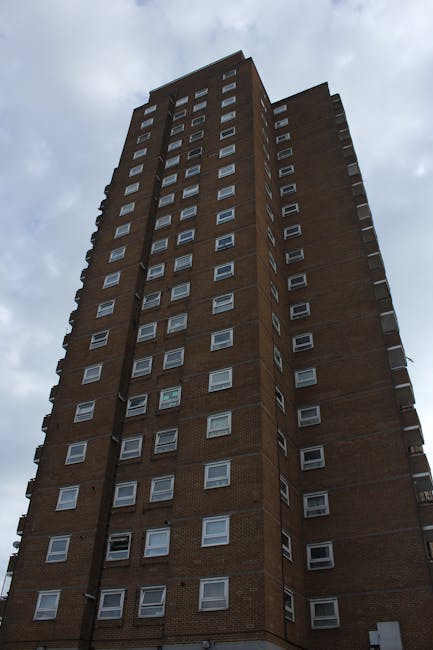
Swiss Cottage removals guide for Finchley Road flats
Moving out of a flat near Finchley Road can be straightforward, but only if you plan it like a local. In a busy part of North West London, with tight entrances, shared hallways, parking pressure, and the occasional awkward stairwell, even a small move can turn messy fast. This Swiss Cottage removals guide for Finchley Road flats is designed to make the process calmer, clearer, and a lot less last-minute.
Whether you are leaving a compact studio, a converted mansion flat, or a larger apartment split across floors, the same basics apply: measure carefully, sort access early, book the right vehicle, and make sure your packing is realistic for the building you actually live in. Sounds simple. In practice, it is where many moves wobble.
This guide walks you through what matters, how flat removals usually work in this area, what to watch out for, and how to choose the right support for the day. If you want a fuller picture of the wider service options, you may also find the pages for flat removals, man and van, and packing and boxes useful while you plan.
Table of Contents
- Why Swiss Cottage removals guide for Finchley Road flats matters
- How Swiss Cottage removals guide for Finchley Road flats works
- Key benefits and practical advantages
- Who this is for and when it makes sense
- Step-by-step guidance
- Expert tips for better results
- Common mistakes to avoid
- Tools, resources and recommendations
- Law, compliance, standards, or best practice
- Options, methods, or comparison table
- Case study or real-world example
- Practical checklist
- Conclusion
- Frequently asked questions
Why Swiss Cottage removals guide for Finchley Road flats Matters
Swiss Cottage and Finchley Road sit in one of those London pockets where the geography is deceptively simple and the logistics are not. On a map, it all looks close together. On moving day, though, a few extra variables can change everything: controlled parking, road traffic, lift access, narrow communal entrances, and building rules that were probably written with zero sympathy for sofas.
That is why a flat-specific removals guide matters. A house move and a flat move are not the same job. Flats usually need more coordination, more carrying through shared spaces, and more care around neighbours and building management. In older blocks, stairs can be steep and landings tight. In newer apartments, lifts may be booked, protected, or too small for larger furniture. Either way, the planning is different.
In our experience, people often underestimate the time needed for a Finchley Road flat move because the distance between the old place and the new place feels tiny. But a ten-minute drive can still become a long moving day if access is poor. Truth be told, the distance is rarely the problem. The building is.
There is also a trust element. If you are hiring help, you want a team that understands flats, not just a van and a pair of hands. That is where services like removal services and removal companies become useful comparison points, especially when you are deciding how much support you actually need.
How Swiss Cottage removals guide for Finchley Road flats Works
At its core, a Finchley Road flat move is a sequence of small decisions. The more of those decisions you make early, the smoother the day becomes. Usually, the process starts with an inventory: what is moving, what is being sold, what is going to storage, and what might need special handling.
Then comes access planning. That means checking whether the building has a lift, whether it is working reliably, where the vehicle can stop, and whether there are any restrictions for loading or unloading. If you are in a busy stretch close to Swiss Cottage, traffic timing matters as well. A late-afternoon arrival can be fine in theory and frustrating in reality. Morning slots often feel calmer.
Next is packing. This is where many flat moves either stay tidy or begin to unravel. Boxes should be strong, labelled by room, and not packed so heavily that they become unliftable. If you are using a packing service, or want to do part of it yourself and leave the awkward pieces to professionals, the pages for packing and unpacking services and packing and boxes are relevant. A lot of stress disappears once the packing system is sensible.
On the day itself, items are loaded in a safe order: larger furniture first, fragile boxes separately, then loose items and anything you need immediately at the new flat. If the move is small, a man with a van or man with van arrangement may be enough. For larger flats or multiple loads, a bigger vehicle or dedicated moving truck might be the better call.
Simple process. But it needs discipline.
Key Benefits and Practical Advantages
The main benefit of approaching your move like a proper removals project is that you keep control. You know what is happening, what is getting packed, and what the likely pinch points are. That sounds obvious, but moving day can make otherwise organised people go a bit foggy. It happens.
- Less damage risk: careful packing, route planning, and the right vehicle reduce bumps and scrapes.
- Faster loading and unloading: clear labelling and good access planning save time at both ends.
- Better building relations: no one wants to upset neighbours with blocked corridors, noisy delays, or an overstretched lift booking.
- Less physical strain: flats often involve carrying furniture through shared space and up or down stairs.
- More predictable costs: when the job is properly scoped, there are fewer surprises on the day.
There is also a subtle advantage for your own headspace. A well-planned move feels less like chaos and more like a sequence of tasks. You can breathe a bit. Maybe even have a tea before the kettle disappears into a box labelled, with admirable optimism, "kitchen misc".
For many residents, using a structured service such as home moves or, if the move is particularly simple, a smaller setup like man and van, makes the day feel manageable rather than overwhelming.
Who This Is For and When It Makes Sense
This guide is for anyone moving within Swiss Cottage, Finchley Road, or nearby streets where flat living is the norm. That includes renters moving between apartments, first-time buyers settling into a new place, students moving in or out of shared accommodation, and professionals relocating for work.
It also makes sense if you are downsizing. Downsizing can be sneaky. You may think, "We have less stuff, so the move will be easy," but smaller flats often mean more awkward furniture decisions, more items going into storage, and more careful planning around what really deserves space in the new home.
If you are moving out of a property with awkward access, the guide is even more useful. For example:
- top-floor flats with no lift
- converted buildings with narrow staircases
- new-build apartments with lift booking rules
- shared entrances where timing matters
- students or young professionals moving at short notice
It is also sensible for people with bulky items, such as a wardrobe, sofa bed, or upright piano. If that is you, you may need to think beyond the basics and review specialised options like piano removals or furniture removals. Those details matter more than people expect.
Step-by-Step Guidance
Here is a practical way to handle a Finchley Road flat move without losing your mind halfway through.
- Walk through the flat and list everything. Include furniture, fragile items, storage pieces, and anything that needs dismantling.
- Check access at both addresses. Measure stair width, note lift size, and look at where a van can legally stop.
- Decide what is moving, storing, or discarding. It is painful, but necessary. Fewer items means fewer problems.
- Book the right help early. For smaller loads, a removal van or man with van style service may fit. Larger homes may need a fuller team.
- Gather packing materials. Strong boxes, tape, markers, bubble wrap, blankets, and something for fragile items.
- Pack by room, not by mood. Room-based packing saves time when unpacking. Random boxes are the enemy.
- Label each box clearly. Write the room and a short contents note. "Kitchen - glasses" is better than "stuff".
- Protect furniture surfaces. Wrap corners and remove loose shelves, handles, or legs where possible.
- Prepare a first-night box. Keep chargers, toiletries, tea, mugs, loo roll, meds, and a change of clothes handy.
- Confirm timings the day before. Traffic, access, and elevator bookings can shift, so re-check the plan.
If you are splitting the work between yourself and movers, say so clearly. That one conversation can save a lot of back-and-forth on the stairs. And yes, people do forget to mention the giant mirror leaning behind the hallway door. Happens more often than you might think.
Expert Tips for Better Results
The difference between a decent move and a smooth move is often a handful of small decisions. Here are the ones worth caring about.
1. Measure the awkward items twice
Sofas, mattresses, wardrobes, desks, and fridge-freezers are the usual troublemakers. Measure height, width, and depth, but also think about turning space. A piece that fits in a room may still fail at the stairwell corner. That catches people out all the time.
2. Keep communal areas clear
In flats, hallways and landings are shared spaces. Leaving boxes outside your door may seem harmless for five minutes, but it can quickly become a hazard. Keep things moving and avoid turning common areas into a holding bay.
3. Use soft packing for fragile items
Glassware, mirrors, framed prints, and lamps deserve extra padding. Use clothing, towels, or proper wrapping materials to fill empty space. The empty space is what causes the bouncing.
4. Think in load order
Load the van so the first items needed at the destination are accessible, not buried under the heavy stuff. This is one of those boring practical details that saves a headache later.
5. Be realistic about how much you can do alone
To be fair, many people try to be heroic on moving day and regret it by lunch. If your flat has stairs, a tight entrance, or a lot of furniture, ask for help early. That can mean a smaller crew plus your own packing, or a more complete removal services package.
Expert summary: in Finchley Road flats, access and timing matter just as much as volume. If you get those two right, the rest of the move becomes much easier.
Common Mistakes to Avoid
Most moving problems in flats are surprisingly predictable. The good news is they are avoidable.
- Leaving access planning too late. If the lift is booked or the loading bay is awkward, you need to know before moving day.
- Overfilling boxes. Heavy boxes break, and they are miserable to carry.
- Ignoring storage needs. If the new flat is smaller, you may need temporary storage rather than forcing everything in at once.
- Not checking what should be dismantled. Beds and large desks often move better in pieces.
- Forgetting building rules. Some blocks are more organised than others. Some are, frankly, a bit fussy. Either way, you need to know the rules.
- Assuming all removal help is the same. A small flat move is not the same as a full household relocation.
A lot of the stress comes from assumptions. "It'll be fine" is a lovely attitude until a sofa gets stuck halfway around a turn. Better to know the problem in advance than discover it with the front door open and everyone quietly staring.
If you suspect you will need extra room, have a look at storage. It is often the calmest answer for items you do not need right away.
Tools, Resources and Recommendations
You do not need a mountain of equipment to move a flat well, but a few practical tools make a real difference.
| Item | Why it helps | When to use it |
|---|---|---|
| Strong double-walled boxes | Reduce crushing and box failure | Books, kitchenware, general packing |
| Packing tape and markers | Keep boxes secure and easy to identify | Every stage of the move |
| Furniture blankets | Protect paintwork, corners, and polished surfaces | Large furniture and appliances |
| Bubble wrap or soft wrap | Cushions fragile items | Glass, lamps, decor, electronics |
| Basic toolkit | Useful for taking apart beds and shelves | Before moving day and for reassembly |
| Storage solution | Lets you move in stages instead of forcing everything at once | Downsizing, delays, renovations |
For many flats, the smartest support mix is a practical vehicle, decent packing materials, and a team that understands building access. If you need a larger transport solution, the pages for removal truck hire and moving truck may be relevant. If your move is smaller and quicker, a man with a van arrangement may be enough.
Recommendation-wise, keep your tools close, your labels clearer than you think they need to be, and one small emergency bag with essentials. That bag tends to save the day. Every time.
Law, Compliance, Standards, or Best Practice
For a flat move in London, the main compliance concerns are usually practical rather than dramatic. You are mostly dealing with access permissions, parking, insurance, safe lifting, and reasonable building behaviour. That said, it is still worth taking the basics seriously.
Parking and access: check whether your property or the destination has loading restrictions or requires advance booking for a lift or bay. Do not assume the van can just stop outside. London streets have a way of reminding you who is in charge.
Insurance and safety: if you are hiring a removals provider, make sure they can explain how items are covered and how they handle safe loading. A proper service should be comfortable discussing risk, damage prevention, and careful handling. If you want to review broader policy information, the pages for insurance and safety and health and safety policy are useful.
Building rules: apartment blocks often expect residents to protect communal areas, avoid blocking exits, and keep noise and disruption sensible. This is just good practice, but it is also how you avoid upsetting neighbours and management teams.
Fair and clear terms: if you are booking a service, read the terms and conditions and payment information properly. It sounds dull. It is dull. Still worth it. The pages for terms and conditions and payment and security can help set expectations before the move.
Best practice here is simple: communicate early, protect the building, and use insured help where appropriate. That combination keeps everyone calmer.
Options, Methods, or Comparison Table
Not every flat move needs the same level of support. If you are moving from a Finchley Road apartment, the best option depends on how much you own, how awkward the access is, and whether you want help with packing as well.
| Option | Best for | Strengths | Watch-outs |
|---|---|---|---|
| Man and van | Small flats, light loads, short local moves | Flexible, simple, usually efficient | Can be tight if you have heavy furniture or lots of boxes |
| Removal van | Medium-sized flat moves | Good balance of size and practicality | May still need careful planning for stairs and parking |
| Removal truck hire | Larger flats, full household loads, multiple rooms | More capacity and fewer trips | Needs better access and route planning |
| Full removals service | Busy households, awkward access, limited time | Most support, less stress | Costs more, but often saves time and effort |
| Self-move | Very small loads and confident planners | Maximum control | Highest physical effort and more room for mistakes |
If you are a student or sharing a flat, the lighter options often work well, especially when the furniture is minimal. That is why services like student removals can be a practical fit. For full family homes, the answer may look closer to house removals or house removalists. Different jobs, different tools.
Case Study or Real-World Example
Imagine a one-bedroom flat just off Finchley Road. The resident has a double bed, a sofa, two shelving units, a dining table, six kitchen boxes, and a few plants that are, naturally, very important. The building has a lift, but it is small and shared. There is also limited stopping space outside.
The move looks easy at first glance. Then the details start showing up. The bed frame has to be dismantled. The sofa fits through the door only after a slight angle and a brief moment of collective silence. The lift needs timing so neighbours can still use it. A small van is fine, but only if the route is checked and the van is booked for a sensible arrival window.
In a case like that, the cleanest solution is often a modest removal setup with clear packing, labelled boxes, and one person responsible for access and timing. Not glamorous, but effective. If there is a delay in moving into the new flat, using storage for a week or two can also prevent rushed decisions.
The people who feel least stressed at the end of the day are usually the ones who did three things well: they packed early, measured the awkward items, and accepted that a small amount of help can make a big difference. That is usually the pattern.
Practical Checklist
Use this checklist a few days before the move. Then again the night before. Then, if you are like most people, one more time with coffee in hand.
- Confirm moving date and arrival time
- Check lift access or stair access at both properties
- Measure large furniture and doorways
- Book parking or loading space where needed
- Set aside packing materials and labels
- Pack fragile items with extra protection
- Keep essentials in a clearly marked first-night bag
- Separate items going to storage
- Dismantle furniture that will not fit safely in one piece
- Protect floors, corners, and shared areas
- Tell neighbours or building management if appropriate
- Review payment, insurance, and service terms
- Check that keys, meters, chargers, and documents are easy to reach
Quick takeaway: if you get access, packing, and timing under control, the move is already halfway won.
Get a free quote today and see how much you can save.
Conclusion
A move from a Finchley Road flat does not have to feel like a rush of box tape, hallway clutter, and half-finished decisions. With the right plan, it becomes a series of manageable steps. That is really the point of this Swiss Cottage removals guide for Finchley Road flats: to help you spot the small things before they become big problems.
Start with access. Pack with purpose. Match the service to the size and shape of your move. And if something feels awkward, trust that instinct. It usually means the item, the route, or the timing needs a second look.
Move well, keep it simple, and give yourself a little breathing room on the day. It makes all the difference.
Frequently Asked Questions
What is the best removals option for a Finchley Road flat?
It depends on the size of the flat and how much furniture you have. Small moves often suit a man and van setup, while larger apartments may need a fuller removals service or a larger vehicle.
How far in advance should I book flat removals in Swiss Cottage?
As early as you can, especially if you need a specific time slot, lift booking, or weekend move. Busy periods tend to fill quickly, and access in flats can be the real bottleneck.
Do I need a special service for a top-floor flat with no lift?
Usually, yes, or at least a service that understands stair carries and heavier lifting. If you have bulky items, it is worth discussing them in detail before booking.
Can a removal van park outside Finchley Road flats easily?
Not always. Parking and loading access can vary a lot from one building to another, so it is best to check the exact stopping point before moving day.
Should I dismantle furniture before the movers arrive?
If it helps the item fit safely through doors or stairwells, yes. Beds, shelving, and some tables often move better in pieces.
What should I put in a first-night box?
Keep essentials close: toiletries, chargers, kettle items, tea, mugs, loo roll, medication, a change of clothes, and basic snacks. You will be glad you did.
Is storage useful during a flat move?
Very often, yes. Storage is helpful if the new flat is smaller, if move-in dates do not line up perfectly, or if you need time to sort through extra belongings.
What if I only have a few boxes and one or two pieces of furniture?
That is often ideal for a smaller setup such as man and van or removal van hire. It keeps the move efficient without paying for more capacity than you need.
How do I avoid damaging walls and hallways in a flat move?
Protect corners, wrap furniture, keep boxes manageable, and make sure large items are carried by people who know how to handle tight turns. Shared spaces deserve extra care.
Are Finchley Road flat moves harder than house moves?
Often, yes, because flats tend to involve shared entrances, tighter access, lifts, and more coordination with neighbours or building management. The total distance may be short, but the logistics can be more demanding.
What should I ask before booking removal services?
Ask about access planning, vehicle size, insurance, timing, packing help, and how fragile or bulky items are handled. Clear answers at the start usually mean fewer surprises later.
Can I combine packing help with removals?
Yes, and for many people that is the easiest option. Combining services can reduce stress and help keep fragile items better protected, especially if you are short on time.